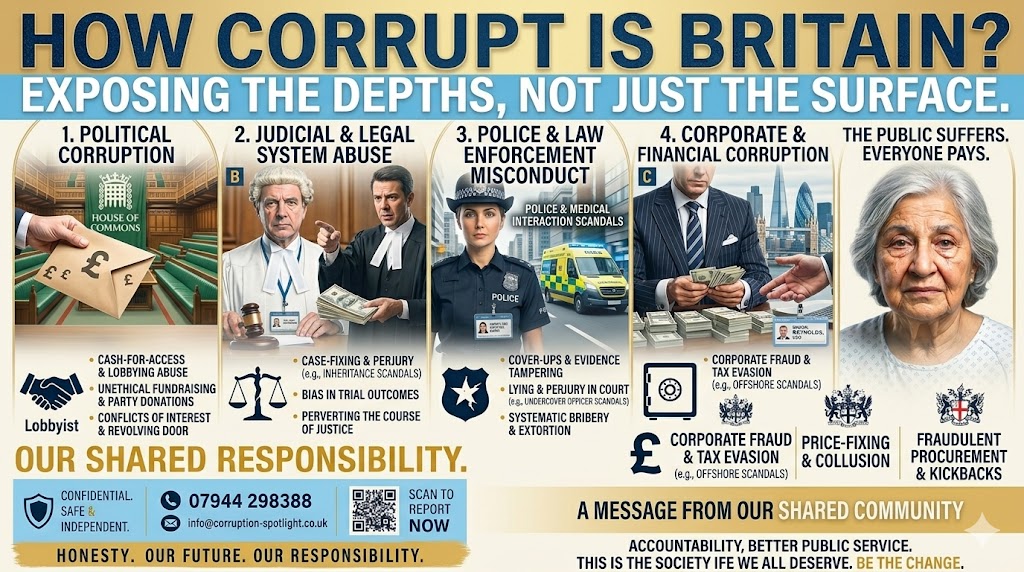
Advocacy plays a critical, strategic role in fighting public fraud by driving cultural change, influencing policy, and empowering individuals to report wrongdoing. Effective advocacy shifts the focus from purely reactive investigation to proactive prevention, transforming fraud identification from a niche concern into a shared responsibility across public sectors.
Key roles of advocacy in combating public fraud include:
1. Driving Cultural and Organizational Change
Advocacy efforts, such as those led by the Government Counter Fraud Function in the UK, aim to embed a “tone at the top” that prioritizes integrity and transparency.
- Shifting Perspectives: Advocacy promotes the idea that finding fraud is a positive, proactive achievement rather than a failure, fostering a culture where staff are empowered to identify and report suspicious activity.
- Senior Leadership Engagement: Advocacy increases engagement from senior leaders and non-counter fraud professionals to ensure that fraud risks are considered at the design stage of new projects and policies.
- Network Building: Establishing “Counter Fraud Champions” and communities of practice across departments helps share intelligence and best practices.
2. Empowering Whistleblowers and Public Voices
Whistleblowers often act alone and face significant hurdles. Advocacy groups provide necessary support that can make the difference in bringing wrongdoing to light.
 Whistleblowing Impact
Whistleblowing Impact- Solidarity and Protection: Advocacy groups offer support networks, legal guidance, and protection for whistleblowers, encouraging them to report complex, high-level corruption.
- Public Awareness Campaigns: Targeted campaigns raise awareness, enabling the public to identify scams, recognize fraudulent activity, and understand how to report it.
3. Policy and Legislative Influence
Advocacy translates evidence of fraud trends into stronger laws and improved enforcement mechanisms.
- Legislative Change: Advocacy has been central to introducing new tools, such as the Public Authorities (Fraud, Error and Recovery) Act 2025, which enhances the ability of public bodies to investigate and recover stolen funds.
- Targeted Responses: Advocacy pushes for the use of civil recovery orders and enhanced sanctions, which can be more effective than, or complement, traditional criminal prosecution.
4. Enhancing Detection and Prevention
Advocacy advocates for investing in technology and data-driven methods to identify risks before they lead to losses.
- Data Sharing Initiatives: Advocates push for removing barriers to data sharing across government departments, allowing for better identification of fraud anomalies, such as checking against death records for pension fraud.
- Proactive Risk Assessment: Advocacy ensures that Initial Fraud Impact Assessments (IFIA) are mandatory for new projects, reducing the potential for fraud at the design stage.
Key Advocacy Actors
- Government Counter Fraud Function: A collective of over 15,000 public servants (primarily DWP and HMRC) that brings together experts to set standards, share best practices, and build capability.
- Public Sector Fraud Authority (PSFA): The center of expertise in the UK government that leads on cross-departmental fraud initiatives and supports the Covid Counter Fraud Commissioner.
- International Whistleblower Advocates (IWA): Promotes whistleblower protection and incentivizes disclosures to expose complex international corruption.
Through these efforts, advocacy transforms the fight against fraud from a passive, administrative task into a robust, systemic, and proactive defence of public resources.

Contact Us
https://corruptionspotlight.co.uk/contact/
Great Websites to follow
https://corruptionspotlight.co.uk/great-websites-to-follow/
Buy Me A Coffee