
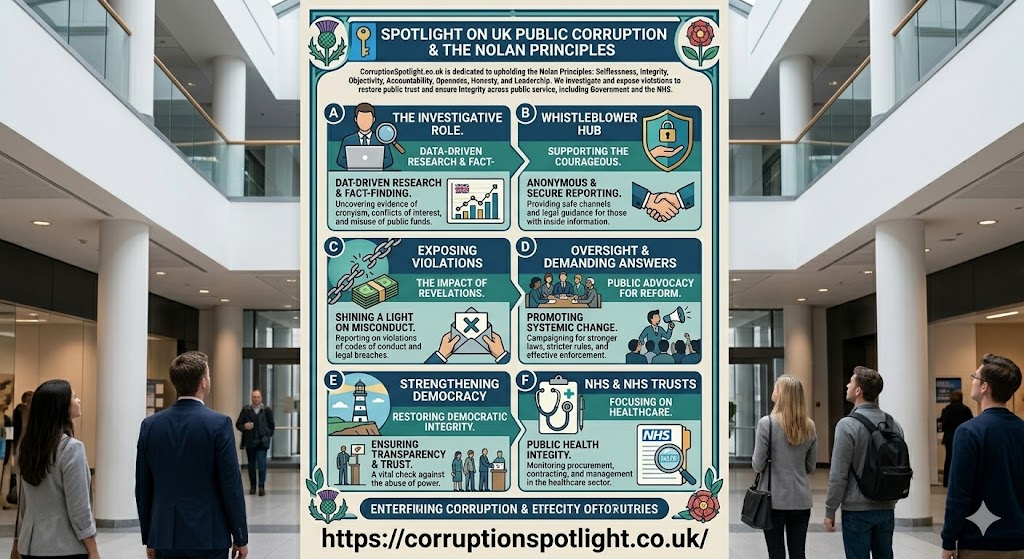
Building a corruption-free administration requires a multi-pronged approach combining transparency, accountability, and systemic reforms. Key actions include establishing public registers of company beneficial ownership, enforcing strict anti-money laundering regulations, and using digital technology to automate procurement. Strengthening whistleblower protection, ensuring judicial independence, and fostering a transparent culture, such as publicizing government spending, are also critical, say experts at.
Here are the key pillars of a corruption-free administration based on established best practices:
- Transparency in Governance:
- Open Data: Implement open, digital, and transparent procurement processes to ensure all public contracts are publicly accessible.
- Financial Disclosure: Require public officials to publish regular reports on spending, including travel, entertainment, and received gifts.
- Beneficial Ownership Registers: Create central, verified, and public registers of company owners to prevent money laundering and corruption.
- Institutional Accountability & Prevention:
- Integrity Plans: Develop and implement rigorous, organization-specific integrity plans and conduct regular risk assessments.
- Internal Audits: Conduct continuous, evidence-based monitoring and internal audits of financial transactions.
- Conflict of Interest Rules: Strengthen laws defining and managing conflicts of interest, as demonstrated by reforms in.
- Enforcement & Deterrence:
- Independent Oversight: Ensure anti-corruption bodies have independence, adequate resources, and specialized staff to act without influence.
- Strong Penalties: Apply high legal penalties for corrupt behavior, enforcing anti-money laundering laws through criminal and administrative sanctions.
- Whistleblower Protection: Ensure safe reporting channels for employees and citizens to expose wrongdoing without fear of retribution.
- Cultural & Structural Change:
- “Tone at the Top”: Promote an ethical culture driven by leadership that prioritizes integrity.
- Training & Education: Provide regular ethics training and mentorship to public staff.
- Simplification: Streamline bureaucratic processes and reduce discretionary power to minimize opportunities for bribery.
- Civil Society Engagement: Protect freedom of the press and encourage civic participation to hold public officials accountable.
These steps, if consistently applied and monitored, help transition an organization or government from a “high-corruption” environment to a “low-corruption” one
Contact Us
https://corruptionspotlight.co.uk/contact/
Great Websites to follow
https://corruptionspotlight.co.uk/great-websites-to-follow/
Buy Me A Coffee
https://buymeacoffee.com/freedomtalm
https://corruptionspotlight.co.uk/contact/
Great Websites to follow
https://corruptionspotlight.co.uk/great-websites-to-follow/
Buy Me A Coffee
https://buymeacoffee.com/freedomtalm