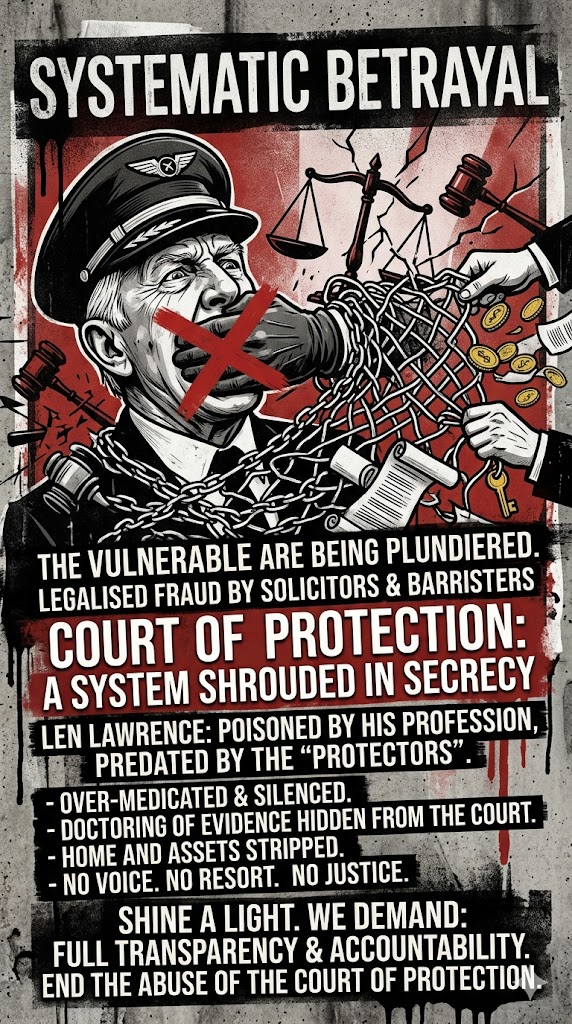

Transparency is essential in public service administration as of April 2026 to maintain trust in government, ensure accountability, and combat fraud and corruption, particularly as new digital procurement regimes take effect. It serves as a foundational element for efficient and ethical governance, with increased openness allowing the public to scrutinize decision-making, evaluate performance, and hold officials accountable.
- Building Public Trust and Legitimacy: Transparency acts as a “disinfectant” against suspicion, strengthening credibility and demonstrating that public services operate in the public interest. It is critical for maintaining trust in government capacity and honesty.
- Preventing Corruption and Fraud: Openness in operations—such as public procurement, tenders, and lobbying meetings—reduces opportunities for corruption and aids in detecting, preventing, and combating fraudulent conduct.
- Improving Efficiency and Performance: Transparent, open data allows governments to identify problems earlier and improve public service outcomes. For instance, it assists in monitoring KPIs, contractual performance, and ensuring value for money in public contracts.
- Ensuring Accountability (2026 Focus): New regulations effective as of April 1, 2026, under the Procurement Act 2023, mandate the public disclosure of payments over £30,000, creating direct accountability for how taxpayer money is spent.
- Driving Innovation: Open data initiatives enable the public, businesses, and researchers to analyze information, providing fresh perspectives and enabling the development of new service
Key 2026 Compliance Developments:
As of April 2026, public sector bodies must adhere to new transparency obligations, including publishing supplier performance against KPIs for contracts over £5 million (from Jan 1, 2026) and publicly disclosing payments over £30,000 against new contracts. These measures highlight that transparency is an active, required component of modern public management rather than just a policy ideal.
While essential, transparency brings challenges, including the resource-intensive nature of collating and publishing data. Effective transparency requires ensuring that disclosed information is comprehensible and accurate for the public to avoid misinformation
https://corruptionspotlight.co.uk/contact/
Great Websites to follow
https://corruptionspotlight.co.uk/great-websites-to-follow/
Buy Me A Coffee